
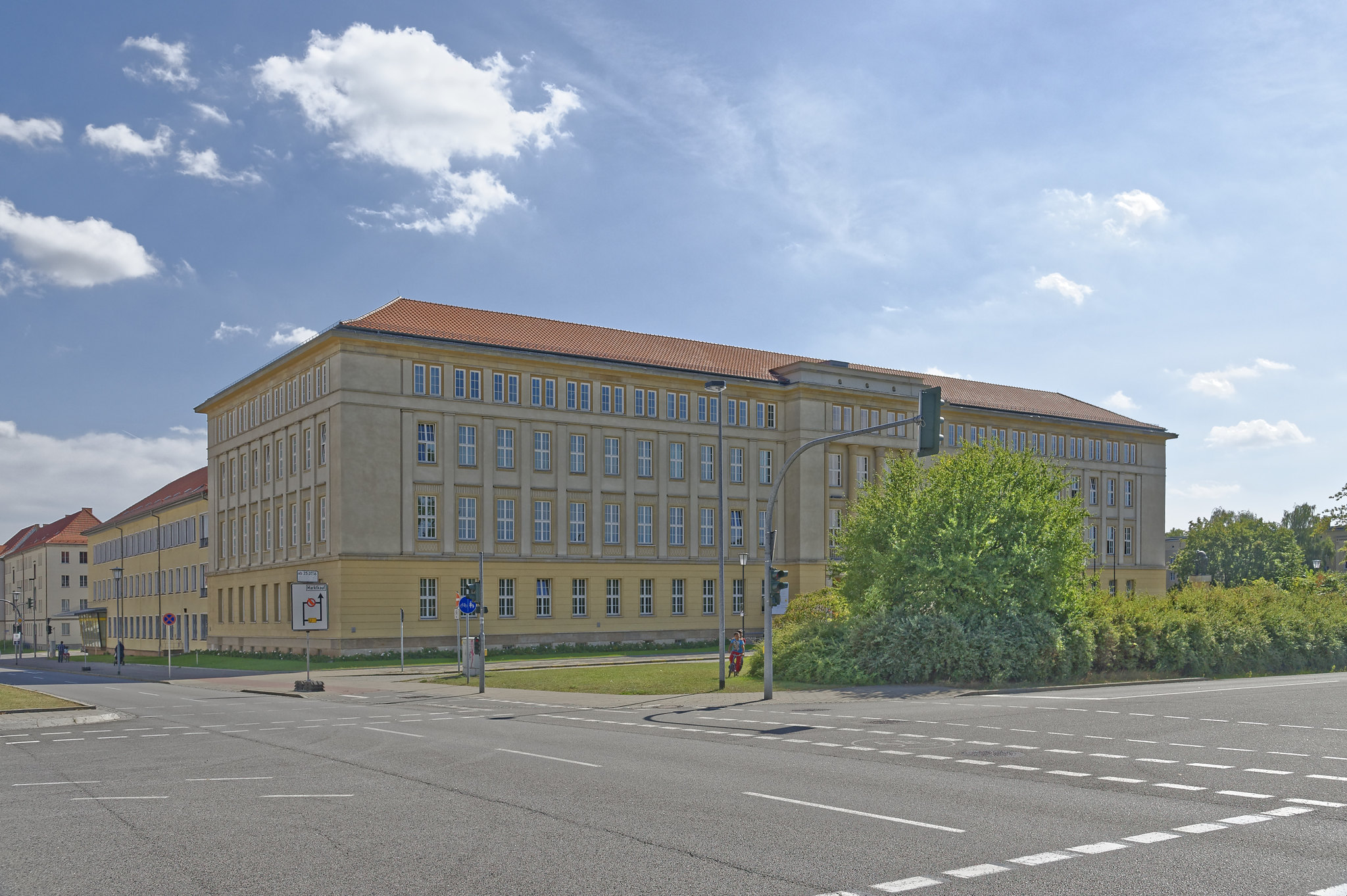
Planning a future together: Could Eisenhüttenstadt use some deliberative democracy?
Political communities occasionally come to crossroads where fundamental, far-reaching decisions must be made. At such times, it can enhance the democratic and substantive quality of decision-making if significant numbers of citizens are invited to participate...
The Rwandan Genocide: A Rwandan Perspective
My research project back in Fall 2019 on a nation-wide reconciliation process through a theater performance has brought me to Kigali, the capital city of Rwanda. Over a period of 14 days, I got to...
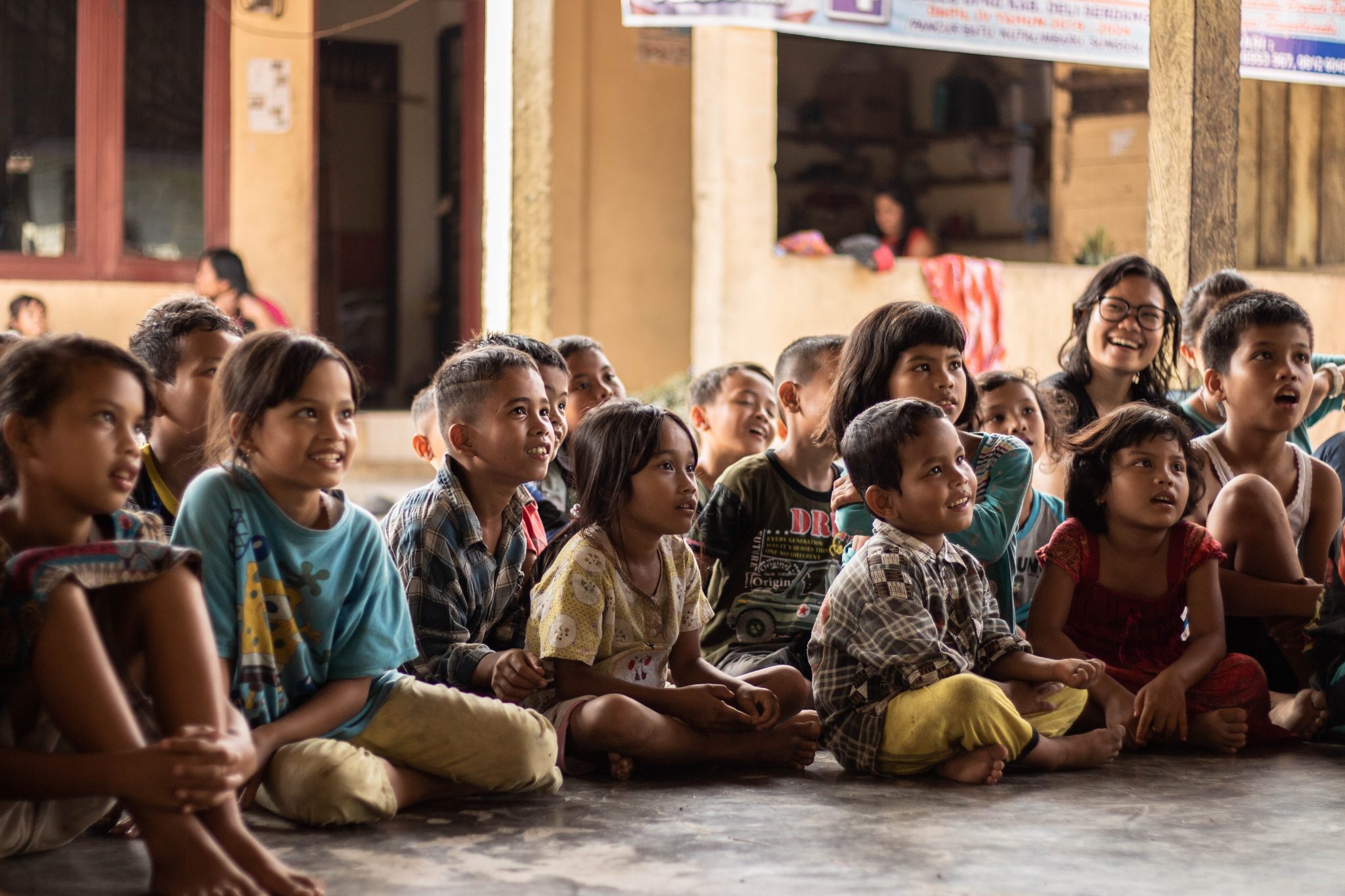
Wild and Infectious: The Stigmatization of Refugee Children in Greece
“They never lived like children do—I don’t know how to put it into words—but like wild humans” (Zsófia 2018: 392). With this statement, a Greek father voiced a concern held by many parents about the...
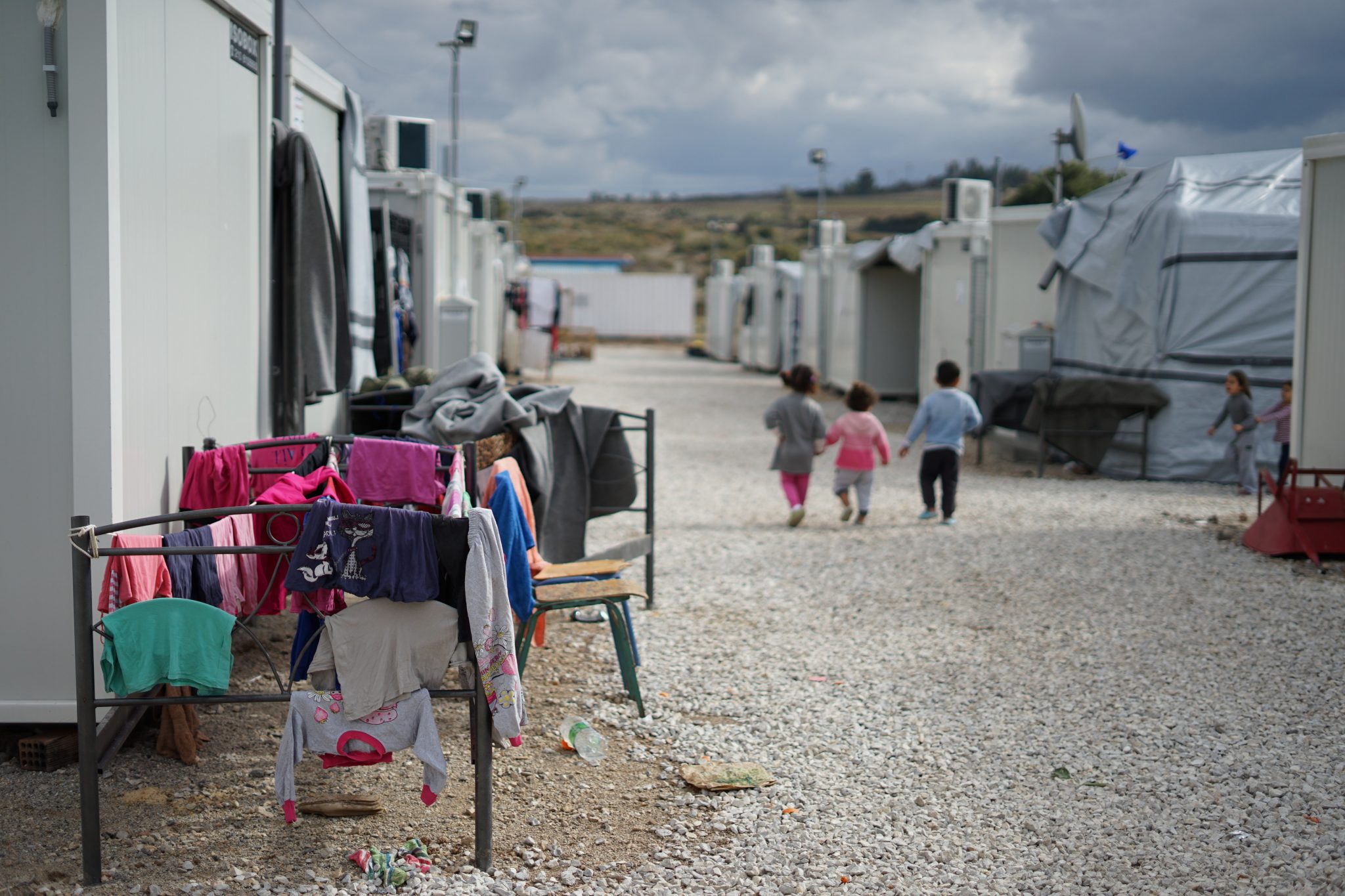
Giving a face to refugees: A story from Thessaloniki
According to European Commission statistics, more than two million people risked their lives since 2015 to reach Europe in search of safety from poverty and war. Most of the refugees came from different parts of...
Loneliness, unhappiness, consumerism and its political consequences: observations and predictions of Robert E. Lane
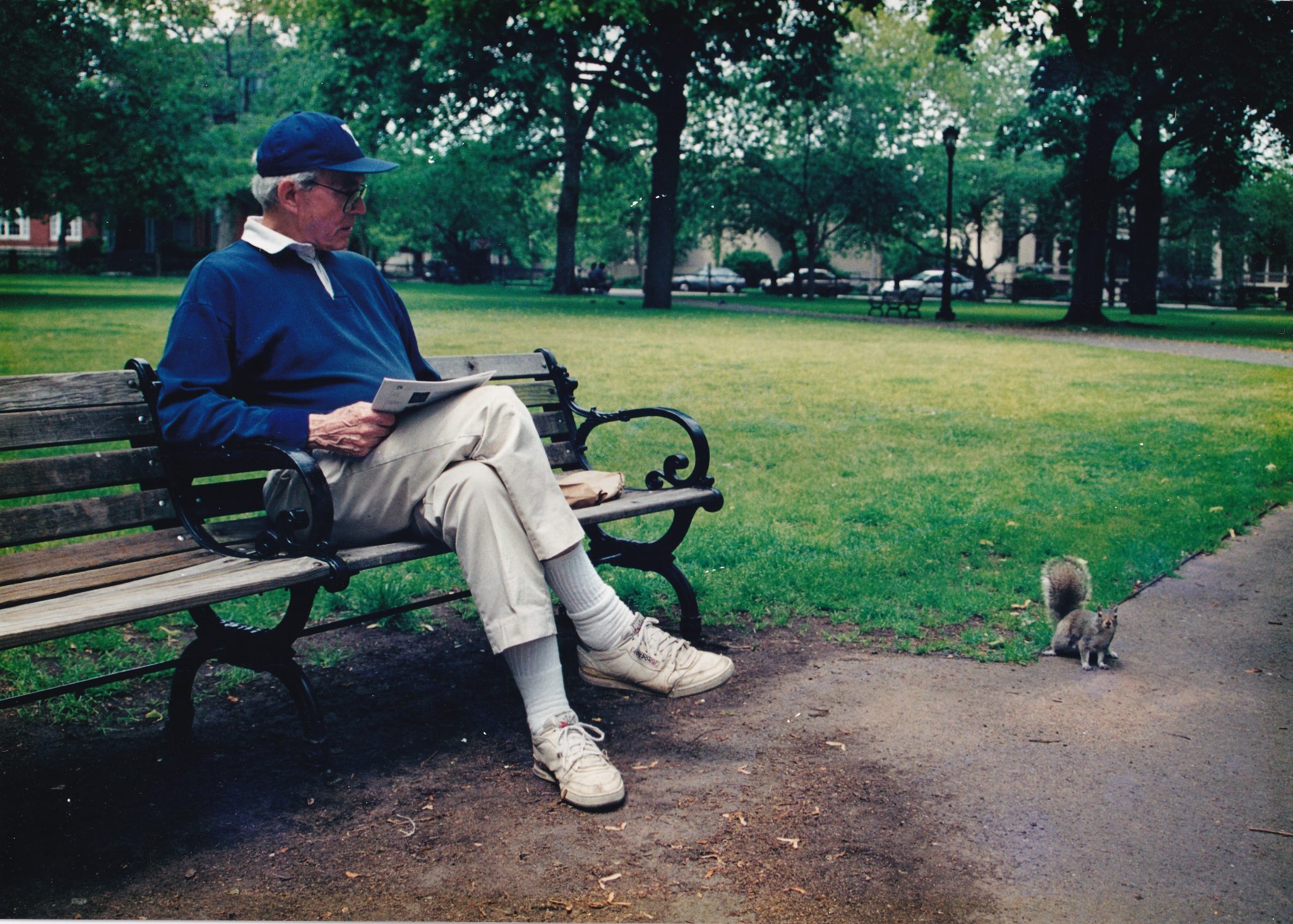
Twenty years ago, the American political psychologist Robert E. Lane (1917 – 2017) published The Loss of Happiness in Market Democracies (2000). In it, he showed that Westerners (and Americans in particular) were increasingly unhappy...
Vaccination Tourism – The Dangers of A New Niche
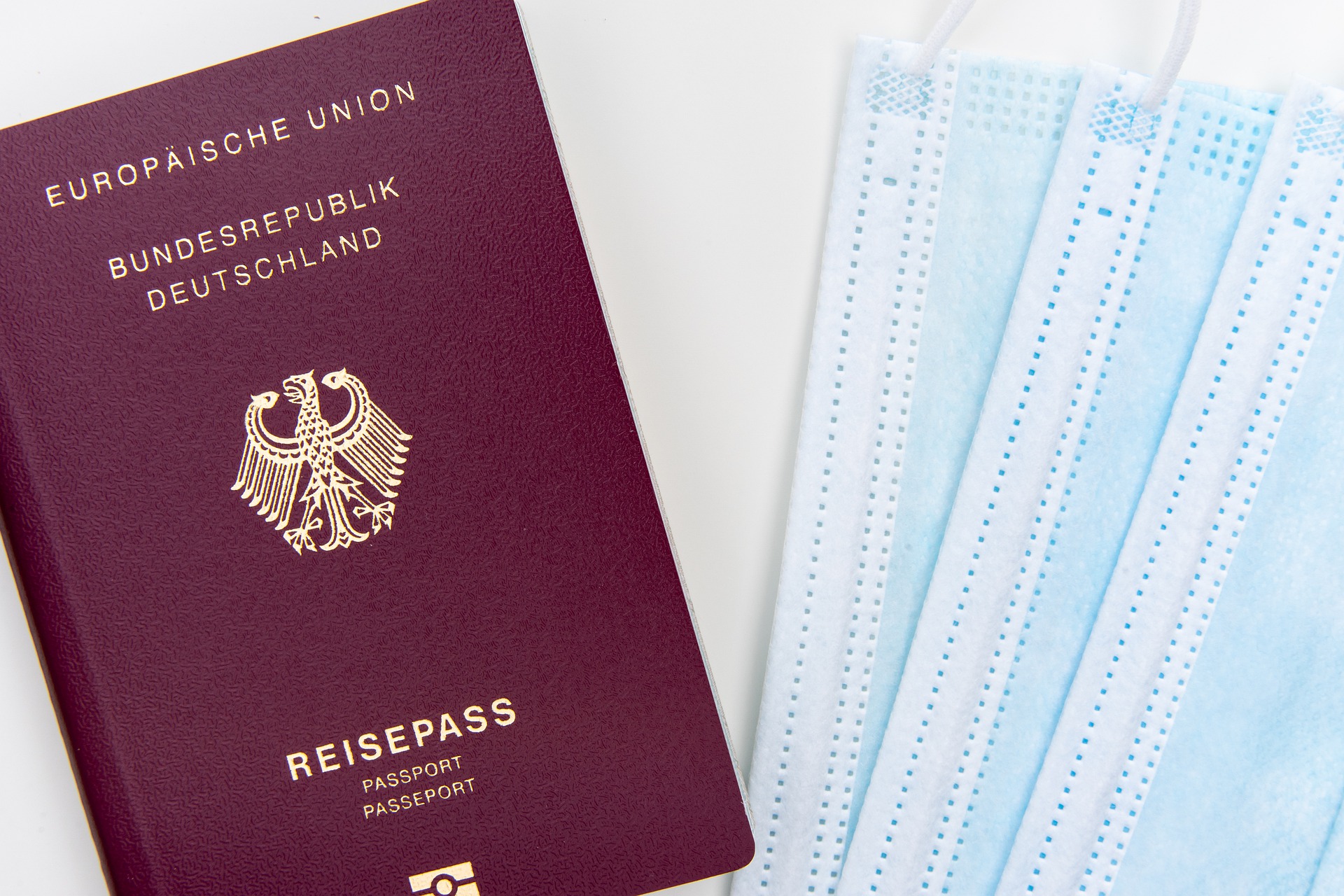
By Asaf Leshem and Matt Robinson After more than a year of almost complete worldwide shutdown, the tourism sector is fighting for survival, more so than ever before faced with an ultimatum – adapt or...
Does the support of democratic values lead to higher degrees of individual social tolerance? A case study from Germany
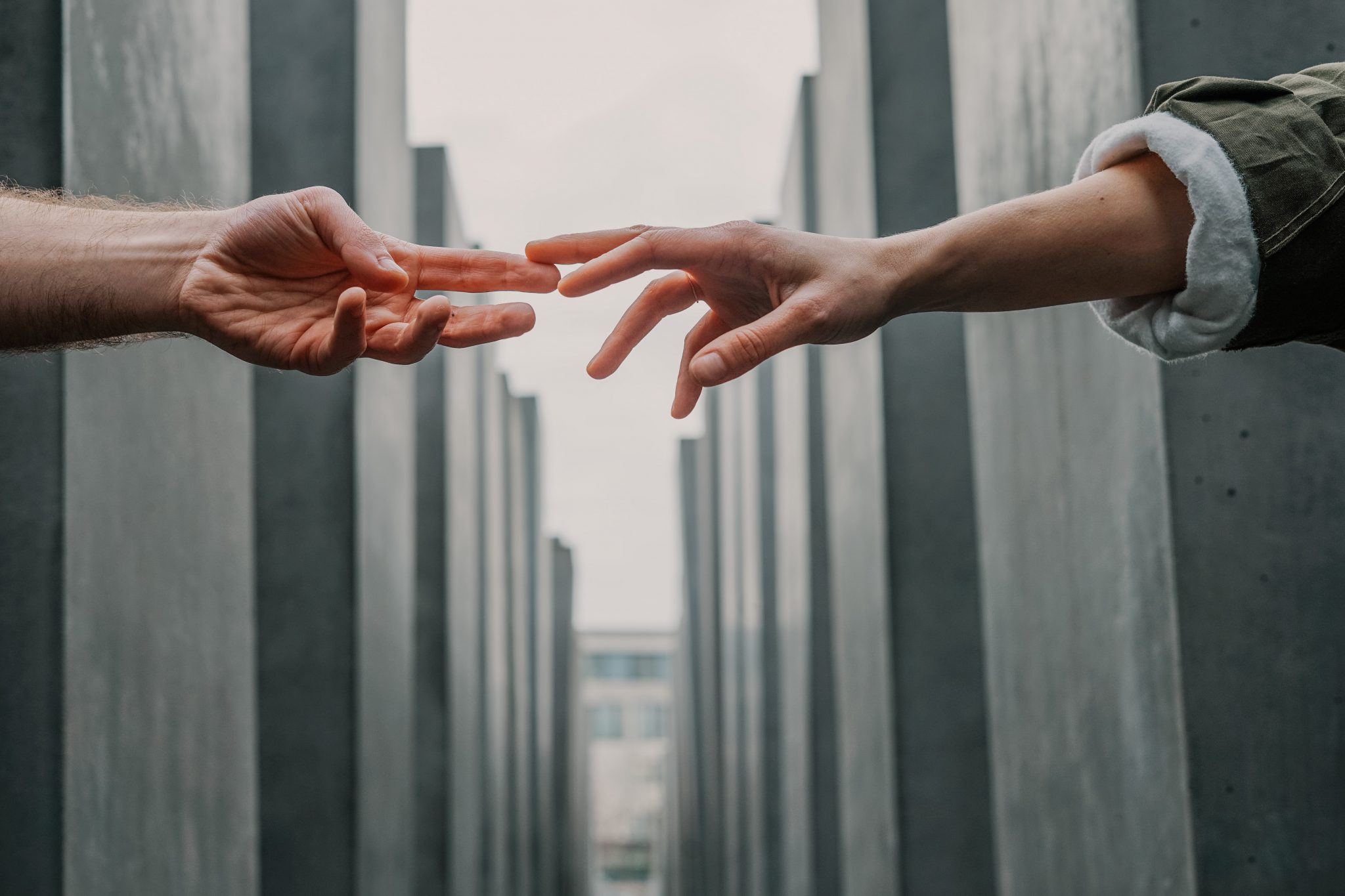
In an increasingly interconnected world in which national borders are losing significance, promoting social tolerance is critical. Unfortunately, maintaining harmony and peace in emerging multicultural societies has proven challenging. This article shows the effects of...

Opportunists in Political Education for Democracy, Freedom and Respect: The Long Road of Democratization.
In 2020, Germany has been celebrating 30 years of German unification and 30 years of democracy, pluralism and respect in the former Deutsche Demokratische Republik. Even when a dictatorship is taken over by a rich...
Towards inclusive urban policy-making: a cultural rights perspective
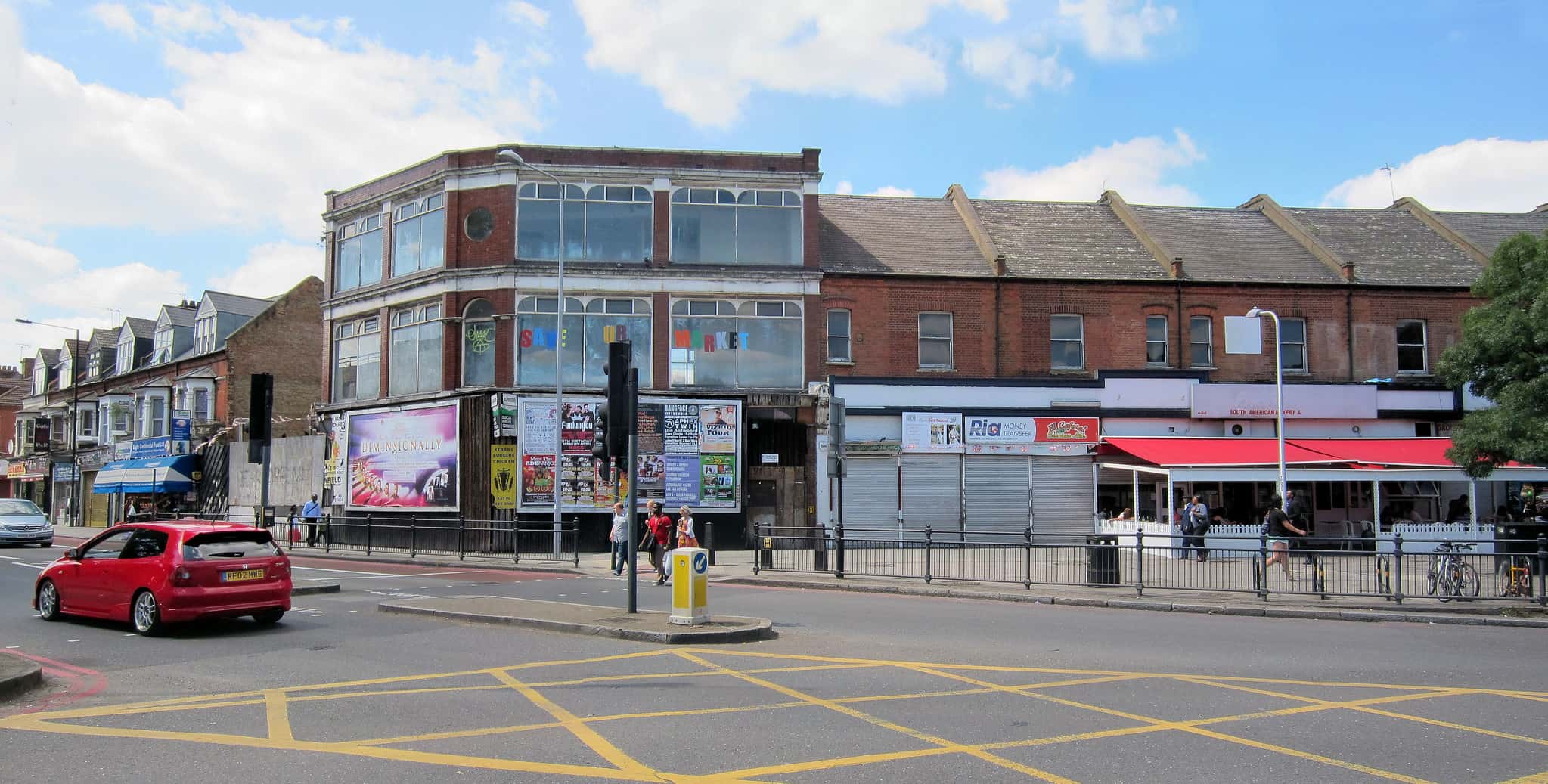
The year 2007 marked the global demographic transition to the urban age. Although still vastly disparate between regions, levels of urbanisation are expected to increase overall across the globe over the next few decades. Urban...
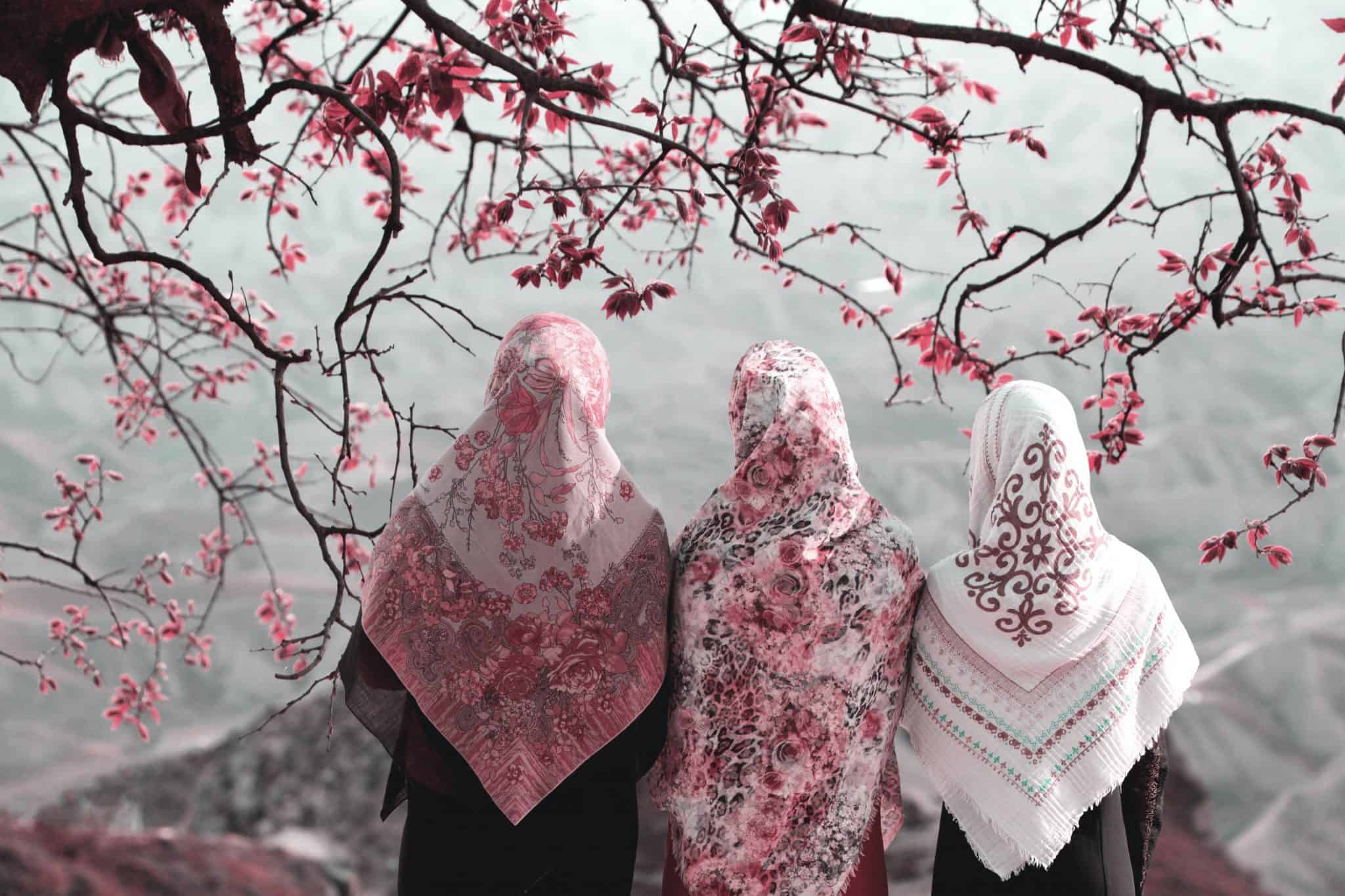
Muslim women in Germany: A look at gender inequality and integration
Gender equality has become a touchstone to determine the extent of Islam’s acceptance in Western societies, where many are already convinced that Islam and gender equality are irreconcilable. But regarding this perceived tension between freedom...
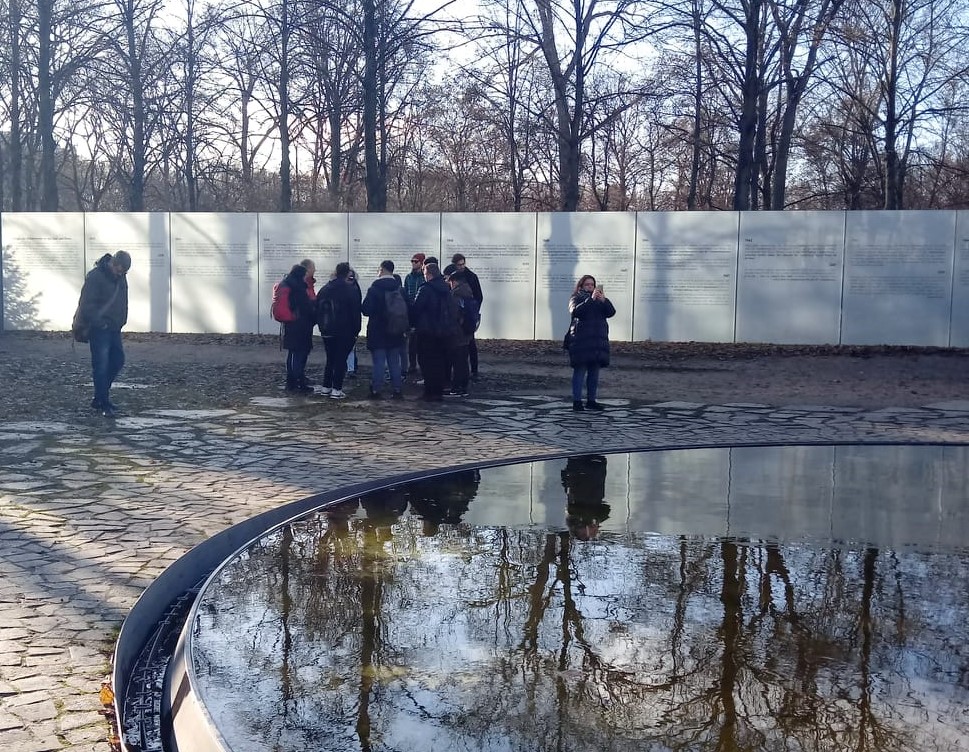
Deliberating Discrimination, Antisemitism, Racism, Sexism, Homophobia in Volatile Schools in Hamburg: Why was there a wall between East and West Germany and not one between the North and the South?
In 2019 Social Science Works enjoyed a close cooperation with a district-school in Hamburg. We formed two groups of about 12 pupils each that volunteered to participate in our deliberative project on discrimination, respect and...
Recruiting Participants for a Workshop on Gender Equality in Berlin: Lessons Learned
Many of today’s democracies are in crisis, when considering the decreasing levels of voter turnout, party membership, and trust in established political institutions and actors (Blokland 2011, 1ff; Dalton et al. 2004, 124). Political democracy...