
Latest posts by Marina Rozalén and Aida Massó (see all)
For the spanish version of this article, click here.
In recent years, parties such as Vox in Spain and Alternative für Deutschland (AfD) in Germany have entered the national political arena, achieving a level of public visibility that goes beyond their initial electoral weight. Alongside similar formations in countries such as Austria, Hungary, Italy, the Netherlands, and the United Kingdom, both parties are part of a broader wave of nationalist and nativist populism that has spread across Europe and poses new challenges for the European Union.
At the same time, the Spanish case had already experienced the emergence of a different form of populism with the rise of Podemos in 2014. Unlike radical right-wing parties, Podemos can be situated within the tradition of left-wing populism, articulating a discourse centred on the opposition between “the people” and political and economic elites, and focusing on inequality, the crisis of representation, and the social consequences of the austerity policies implemented in Spain following the 2008 financial crisis.
More recently, the German political landscape has incorporated a new significant actor in this field: Bündnis Sahra Wagenknecht (BSW), formally founded in 2024 following the creation of a political alliance in late 2023 and the subsequent departure of several members from Die Linke. This party introduces a distinctive ideological configuration, combining left-wing economic positions with a more conservative cultural stance and a critical approach to immigration, thereby expanding the spectrum of contemporary expressions of European populism. The study of such formations helps to better understand the changing nature of political competition in Europe, particularly the growing importance of issues such as immigration, identity, and security in spaces traditionally associated with the left. Its analysis is relevant beyond the German case, as similar debates are beginning to emerge in countries such as Spain, where some voices within the left are increasingly calling for a reconsideration of issues such as immigration and security from less traditional perspectives.
1.1 Research Aim
This article aims to examine both the similarities and differences in the contemporary expressions of populism in Germany and Spain, as well as the structural, political, and ideological factors that account for these convergences and divergences. Previous studies have shown that the comparison between Vox and AfD is particularly useful for analysing how populist discourse is articulated around national identity (Gould, 2019).
Building on this comparative approach, this article expands the analysis by incorporating the case of Bündnis Sahra Wagenknecht (BSW), a recent actor that introduces new ideological configurations within the field of European populism, as well as that of Podemos. The inclusion of both cases not only allows for a contrast between nativist right-wing populism and left-wing populism, but also enables the analysis of intermediate or hybrid positions that combine economic interventionism with cultural conservatism. Furthermore, the study aims to deepen the understanding of the political, economic, and institutional contexts that have facilitated the emergence and consolidation of populist actors in both countries, paying particular attention to factors such as the economic crisis, transformations in party systems, debates on immigration, and territorial tensions.
1.2 From Exceptionalism to Transformation
For decades, both Germany and Spain were considered exceptional cases in Western Europe due to the weakness or absence of populist radical right parties. In Germany, electoral support for these parties remained limited, territorially confined, and without representation at the federal level, a pattern often described as anomalous in comparative perspective (Arzheimer, 2015). This situation has been explained by factors such as the early stigmatization of National Socialism, the existence of a strong cordon sanitaire—that is, the systematic exclusion of these actors by mainstream parties—and the presence of institutional barriers such as the 5% electoral threshold, which made it more difficult for new parties to enter the Bundestag.
For its part, in Spain, the literature has shown that, despite the existence of demand-side conditions favorable to the emergence of populist radical right parties such as anti-immigration attitudes and political disaffection this development was hindered by several structural and institutional factors. These include the centrality of the left–right and center–periphery cleavages (the latter referring to tensions between the central state and regions with distinct identities, such as Catalonia or the Basque Country), the absorbing role of the Partido Popular, which for years concentrated a broad spectrum of right-wing voters, and the characteristics of the electoral system (Alonso and Rovira Kaltwasser, 2014).
However, the recent rise of parties such as Alternative für Deutschland in Germany and Vox in Spain challenges this supposed exceptionalism. Precisely for this reason, comparing these two cases is particularly relevant: it allows us to analyse how political systems previously resistant to populism have undergone processes of transformation, as well as to identify the factors that have eroded previous barriers and facilitated the consolidation of new populist actors.
1.3 Conceptual Framework: Populism
Although populism has been defined in multiple ways in the academic literature, there is growing consensus around the ideational definition of the phenomenon. From this perspective, populism understands politics as a moral confrontation between a homogeneous and virtuous “people” and corrupt elites who are detached from the interests of ordinary citizens. Consequently, it is articulated around two central dimensions: anti-elitism and the appeal to the people as the legitimate political subject. In addition, populism is often considered a “thin-centered ideology”, with limited programmatic content that can attach itself to broader ideologies such as nativism —the idea that the state should prioritize the native population and protect its cultural identity from immigration— or socialism in order to structure more comprehensive political projects (Mudde, 2004; Mudde & Rovira Kaltwasser, 2018
1.4 Case Selection and Approach
In this context, it is pertinent to briefly outline the origins and trajectories of these political actors. In the Spanish case, the analysis focuses on Vox, a radical right-wing party that has gained significant relevance in recent years. In Germany, the analysis centres on Alternative für Deutschland, generally classified as a populist radical right party, and Bündnis Sahra Wagenknecht, a recent formation that combines left-wing economic positions with a culturally conservative and anti-establishment discourse.
The article also incorporates the case of Podemos, which emerged in 2014 in the context of the economic crisis and anti-austerity mobilisations. Although its current electoral weight is more limited, its inclusion remains relevant for understanding the development of left-wing populism, particularly in light of its progressive institutionalisation and the moderation of its populist rhetoric. The case of BSW, in turn, allows for the analysis of hybrid ideological configurations that challenge traditional categories of European populism.
1.4.1 Spain: The Rise of Vox
Vox is a Spanish political party situated on the radical right that was founded in 2013 and first participated in elections during the 2014 European Parliament elections. Vox emerged as the result of a split led by former leaders and political cadres from the Partido Popular (PP), who distanced themselves from the direction adopted by their former party, particularly regarding issues related to national identity, sovereignty, and cultural policy (Cheddadi El Haddad & León Ranero, 2022). During its early years, the party had only a marginal presence in Spanish politics and achieved very limited electoral results.
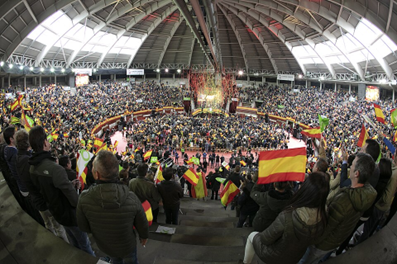
Its growth accelerated particularly after the Catalan territorial crisis, that is, the independence conflict culminating in the unilateral referendum of October 2017 and the subsequent institutional confrontation between the Catalan government and the Spanish state. This context, combined with rising political dissatisfaction linked to corruption and perceptions of institutional crisis, created favourable conditions for the party’s expansion. The 2018 regional elections in Andalusia, a southern Spanish region with its own autonomous government, marked the first major breakthrough for Vox. Following this success, the party placed fifth in the Spanish general elections held in May 2019, receiving more than ten percent of the vote. In this context, Vox presented itself as a political force capable of defending national unity and representing the “true” demands of the Spanish people, placing national identity, sovereignty, and criticism of the political system at the centre of its discourse (Gould, 2019).
The conservative discourse of Vox is characterized by the defence of the traditional family, the rejection of sociocultural change, and opposition to what it calls “gender ideology”, a term used in conservative political discourse to refer critically to feminist theories, gender studies, and public policies aimed at promoting gender equality and the rights of LGBTQ+ people.
More broadly, its ideology has been described as a combination of nationalism, authoritarianism, traditionalism, nativism, and neoliberalism. According to Ferreira (2019), Vox incorporates several characteristic elements of European populist discourse, particularly in relation to immigration and the defence of national identity. However, its proximity to business elites and its support for neoliberal economic policies distinguishes it from other European populist parties that adopt more interventionist or protectionist economic positions. Despite these differences, several scholars continue to classify Vox as a populist party. Following Mudde’s conceptualization of populism, Turnbull (2019) argues that Vox can be considered populist insofar as it articulates a discourse marked by nostalgia for a “great Spain” of the past that must be restored.
In contrast to this type of right-wing populism, the Spanish case has also given rise to a different form of populism of a progressive nature, represented by Podemos. This party was founded in 2014 as an attempt to translate the crisis of legitimacy of the Spanish political system that emerged after the 2008 economic crisis characterised by declining trust in traditional parties, corruption scandals, the implementation of austerity policies, and a growing disconnection between political representatives and citizens into an organised political project. Its founders initially sought to transcend the conventional left–right divide, framing politics as a confrontation between “the people” and “the caste”, a term used by the party to refer to traditional political and economic elites (Errejón & Mouffe, 2016). Over time, the party adopted a clearly left-wing orientation and advocated policies such as increased social spending, progressive taxation, a guaranteed minimum income, stronger labour protections, participatory democracy, and public control of strategic sectors.
Podemos entry into the coalition government with the Spanish Socialist Workers’ Party (PSOE) between 2020 and 2023 marked a process of increasing institutionalisation, which contributed to moderating parts of its initial populist discourse. Following its time in government, internal tensions, organisational fragmentation, and electoral decline led to a reconfiguration of the left-wing political space. In this context, Sumar emerged in 2023 as a broader and more pragmatic coalition that brings together sectors of Podemos alongside other progressive actors, prioritising programmatic consensus and institutional cooperation over the confrontational populist rhetoric that had characterised Podemos in its early years.
Recent evidence points in this direction. In the communicative context of the 2024 European Parliament elections on X, Casas-Mas et al. (2025) observe that classic markers of populism are not strongly activated by the main Spanish left-wing parties analysed. They interpret this as a result of processes of institutionalisation and strategic moderation: the initial anti-elite framing of Podemos appears to have “diluted” following internal conflicts and its participation in government, while Sumar emerges as a comparatively technopolitical and low-confrontation actor. In the same study, Vox stands out as the party that most clearly mobilises a populist “people versus elites” narrative in that campaign context.
1.4.2 Germany: AfD and the Emergence of BSW
The Alternative für Deutschland is a political party founded in 2013 during the European economic crisis, initially as a national-liberal and conservative formation critical of the euro bailout policies promoted by Angela Merkel’s government and of the broader process of European integration. From its early years, the party achieved rapid institutionalization, obtaining representation in the European Parliament and in several regional parliaments as early as 2014. Over time, however, the party’s profile evolved toward more nationalist positions centred on questions of identity, particularly following the arrival of more than 800,000 refugees to Germany in 2015. This development reinforced a discourse focused on immigration, national sovereignty, and the defence of German cultural identity (Arzheimer, 2020; Stark & Dubslaff, 2024; Gould, 2019).

Through this process of transformation, the AfD has consolidated itself as the party located furthest to the right within the German parliamentary spectrum. Several studies classify it as a radical populist party characterized by an ethnocultural and illiberal perspective that frames politics around the dichotomy between “the people” and “the elites”.
More recently, the German political landscape has incorporated another relevant actor within the field of populism: Bündnis Sahra Wagenknecht (BSW). The party was formally established in 2024 following the creation, in October 2023, of a political organization with the same name. Its rapid rise can be explained by two main factors. First, the strong degree of personalization around its leader and founder, Sahra Wagenknecht, a feature that is relatively uncommon in the German party system. Second, the party’s hybrid ideological proposal, which combines left-wing economic positions with cultural conservatism and highly polarizing foreign policy stances. Thomeczek (2024) describes BSW as explicitly anti-establishment in style and “hybrid” in substance, combining redistributive themes with culturally conservative positions and scepticism toward immigration.
In her book The Self-Righteous: My Counter-Programme for Civic Responsibility and Social Cohesion, Sahra Wagenknecht criticizes sectors of the contemporary left, arguing that they have become excessively focused on cultural and symbolic debates while distancing themselves from the material and socioeconomic concerns of broad segments of the population. Based on this critique, she proposes a political position that combines economic approaches traditionally associated with the left with a more culturally conservative perspective. This position is accompanied by a strongly critical discourse directed at political and economic elites, the influence of the United States in international politics, and the Western geopolitical order, while simultaneously expressing greater openness toward Russia.
The rapid initial rise of BSW, reflected in its results in the 2024 European elections and several regional contests, appeared to point towards its consolidation as a new populist force. However, recent analyses suggest that its medium-term prospects may be less promising than initially expected. As the evidence shows, part of its early success was based on specific issues such as the war in Ukraine, whose salience declined during the federal campaign, as well as on its anti-establishment profile, which weakened following its entry into regional governments. In addition, internal tensions stemming from its strong personalisation around Sahra Wagenknecht, as well as difficulties in credibly differentiating itself on key issues such as immigration where it competes with already established actors such as AfD have further constrained its development (Wagner, 2025).
In this context, recent organisational changes in 2025, including Sahra Wagenknecht’s withdrawal from formal leadership and the adoption of a collective leadership headed by Fabio De Masi and Amira Mohamed Ali, reflect the party’s difficulties in consolidating itself as a stable political force.
Key Thematic Dimensions of Populism in Germany and Spain
2.1 The Structural and Political Contexts of Populist Emergence in Germany and Spain
Germany long constituted an exception to the success of right-wing populism in Europe due to factors such as the stigma associated with the Nazi past, the organisational fragmentation of potential populist actors, and the capacity of mainstream parties to absorb potentially mobilising demands. However, there did exist a social base of discontent that could be politically articulated, which helps explain the relatively greater success of left-wing populist forms, particularly through the PDS (Decker & Hartleb, 2007).
This “populist gap” began to close with the emergence of AfD in 2013, initially as a moderate Eurosceptic party that arose in the context of the euro crisis. Following the 2015 refugee crisis, the party underwent a process of ideological radicalisation, shifting towards nativist and anti-immigration positions and consolidating itself as a populist radical right actor.
In this sense, the recent wave of populism in Germany can be understood not as a sudden rupture, but as the result of a gradual reconfiguration of political conflict, in which the rise of AfD has contributed to institutionalising a new dimension of competition centred on immigration, national identity, security, and Euroscepticism, which overlaps with the traditional left–right axis (Olbrich & Banisch, 2021).
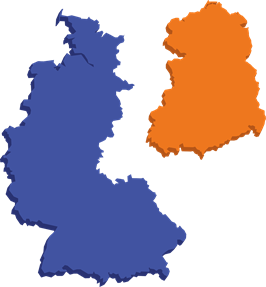
This reconfiguration of the political space also helps to explain the emergence of BSW. According to Moreau (2024), its rise is embedded in a context characterised by distrust in institutions, the erosion of mainstream parties, the weakening of Die Linke, and the persistence of strong political and symbolic inequalities between East and West Germany. In this scenario, Wagenknecht’s new party seeks to represent socially insecure and politically discontented sectors.
Blokland (2025), in Talking Politics and Society Again, shows how many citizens, particularly in eastern Germany, perceive a lack of material progress since reunification, as well as persistent inequalities between East and West and a loss of social security, solidarity, and predictability compared to the period of the German Democratic Republic (GDR). These grievances are rarely articulated through socio-economic policy debates and are instead politicised through issues such as migration, globalisation, and cultural recognition. In this context, Alternative für Deutschland has been particularly successful in mobilising discontent in the former GDR, where historical experiences of marginalisation and neglect amplify the perception of not being heard. However, in recent years this pattern has also begun to extend to western Länder, where, despite different socio-economic contexts, growing dissatisfaction linked to inflation, political disaffection, and the centrality of migration debates has contributed to a significant increase in support for AfD. Once the party surpassed the 5% electoral threshold, it gained visibility and institutional legitimacy, reinforcing a feedback loop in which previously excluded grievances entered parliamentary competition without being substantively incorporated by mainstream parties, thereby contributing to its gradual expansion at the national level.
In the Spanish case, various authors have pointed out that the development of populism in Spain presents specific characteristics compared to other European countries. Although the economic crisis of 2008 and the subsequent crisis of political legitimacy created favourable conditions for the emergence of new actors, the literature emphasizes that the Spanish political system continues to be structured primarily by two historical cleavages: the left–right axis and the centre–periphery conflict related to the territorial organization of the state. These two axes structure political competition and limit the capacity of populism to organize political conflict exclusively around the “people versus elites” divide. As a result, populist dynamics in Spain tend to intertwine with these pre-existing conflicts, particularly the territorial debate surrounding the unity of the state (Barrio, 2020). Rodríguez Sáez (2021) shows that between 2011 and 2013 latent populist attitudes emerged within Spanish society in a context of economic and institutional crisis that generated distrust toward political elites and widespread citizen disaffection even before the consolidation of new party alternatives.
There have been several waves of populism in Spain since the late twentieth century. The first developed between the late 1980s and the early 2000s and was mainly driven by personalistic figures such as the businessmen José María Ruiz-Mateos and Jesús Gil, who built political projects centred on individual leadership and denunciations of corruption among traditional parties, although these initiatives failed to achieve lasting institutional consolidation. A second wave emerged from 2003 onwards in Catalonia with initiatives such as Plataforma per Catalunya and Solidaritat Catalana, largely linked to the territorial conflict and to identity-based discourses. Finally, a third wave began after the economic crisis of 2008 and the subsequent political crisis, which created favourable conditions for the emergence of new parties and anti-elite political narratives (Barrio, 2020).
It is also necessary to mention Podemos which was an attempt to translate this crisis of legitimacy into an organized political project. Its founders initially sought to transcend the conventional left–right divide by framing politics as a confrontation between “the people” and “the caste”. Over time, however, the party adopted a clearly left-wing orientation. Podemos’ entry into the coalition government with the Spanish Socialist Workers’ Party (PSOE) between 2020 and 2023 marked a process of increasing institutionalization that contributed to moderating part of its initial populist discourse. After its participation in government, internal tensions, organizational fragmentation, and electoral decline led to a reconfiguration of the political space on the left. In this context, Sumar emerged in 2023 as a broader and more pragmatic coalition integrating sectors of Podemos together with other progressive actors, prioritizing programmatic consensus and institutional cooperation over the confrontational populist rhetoric that had characterized Podemos during its early years.
Recent evidence points in this direction. In the communicative context of the 2024 European Parliament elections on X (formerly Twitter), Casas-Mas et al. (2025) observe that classical markers of populism are not strongly activated by the main Spanish left-wing parties analysed. They interpret this pattern as the result of processes of institutionalization and strategic moderation: the initial anti-elitist framing of Podemos appears to have diluted following internal conflicts and its participation in government, while Sumar emerges as a comparatively technopolitical actor with low levels of confrontation. In the same study, Vox stands out as the party that most clearly mobilizes a populist narrative centred on the “people versus elites” divide in that campaign context.
2.2 Immigration, Multiculturalism, and the Construction of “Threat”
To understand the role that immigration plays in contemporary political debates in Spain, it is necessary to briefly contextualise the recent evolution of this phenomenon. Despite a slight decline in the years following the Great Recession, the presence of foreign populations in Spain has increased significantly over the past decades. According to data from the National Statistics Institute (INE), the percentage of individuals holding foreign nationality stands at 14.13%[1] (INE, 2025). This population mainly originates from Latin America and Morocco, and to a lesser extent from countries such as Romania and China. Moreover, during the period following the economic crisis, a notable increase in Latin American immigration can be observed.
With regard to the German case, Germany has consolidated itself in recent decades as one of the main migration destinations in Europe. According to data from the Central Register of Foreigners (AZR), by the end of 2025 approximately 14.1 million people with foreign nationality were residing in Germany, representing around 16.9% of the total population. This proportion has increased notably since the early 2000s, particularly following the enlargement of the European Union and, more recently, after the arrival of refugees during the so-called “refugee crisis” of 2015. The migrant population originates mainly from European countries such as Poland or Romania, as well as from Turkey, Syria, Russia, and Afghanistan, reflecting both intra-European labour mobility and migration flows linked to conflict and asylum applications.
Both Vox and AfD portray immigration especially immigration originating from Muslim-majority countries as a threat to European cultural values and national traditions. In the case of Vox, the historical defence of Spain and Europe against Muslim expansion is presented as a central element of Spanish national identity. From this perspective, the party argues that protecting Spanish society from Muslim presence, and particularly from what it describes as the Islamist threat, must remain a political priority (Vox España, 2018).
Irregular immigration is thus framed as a priority issue and as a scapegoat to which various social and economic threats to the “Spanish worker” are attributed. However, this framing does not rely on explicitly racial narratives—which have become largely taboo since the end of the Second World War—but instead emphasizes cultural arguments. Vox portrays Arab immigrants as an existential threat, referring to the successive terrorist attacks experienced in Spain since the 2004 Madrid attacks (11-M) and to alleged links with crime and cultural incompatibility. In this context, Vox’s discourse describes Islam as a cultural model incompatible with European values, associating it with practices considered contrary to freedom or gender equality (Casas-Mas et al., 2025).
Some studies on Vox’s political discourse show that immigration is articulated through a selective ethnic differentiation. In particular, the party develops what has been described as a “bimodal” migration discourse: immigration from Latin American countries is portrayed relatively positively due to perceived cultural and historical proximity, while immigration from Muslim-majority countries or the Maghreb is framed as a cultural, economic, and security threat (Cheddadi El Haddad & León Ranero, 2022). In this way, the acceptance of certain migration flows is linked to their perceived capacity for cultural integration and their contribution to the labour market and national welfare.
While immigration constitutes a central issue for radical right parties such as Vox—framed within broader narratives of enemies, national decline, and betrayal—Spanish left-wing parties analysed during the 2024 European election campaign did not employ populist frames centred on immigration (Casas-Mas et al., 2025).
The electoral programme of Sumar (2023), within which Podemos is integrated, adopts a clearly differentiated approach to immigration, moving away from security-oriented or culturalist frameworks. Under the section “Migration. Combating racism and xenophobia,” the programme proposes a structural reform of the migration system centred on the protection of human rights, social inclusion, and cohesion. Its main measures include the adoption of a comprehensive anti-racism law, the simplification of immigration procedures, the introduction of permanent regularisation mechanisms, the strengthening of safe and legal pathways to asylum, and the closure of immigration detention centres. It also emphasises the need to facilitate the socio-economic and political inclusion of migrant populations, ensuring their access to public services such as healthcare. Overall, this approach frames immigration not as a threat, but as a social reality to be managed through equality of rights, social justice, and integration, in clear contrast to the exclusionary or security-driven discourses of Vox.
In the case of AfD, its strong opposition to Islam is closely linked to the defence of the concept of deutsche Leitkultur, a conception of German culture grounded in German cultural traditions and Christianity. Several studies show that the discourse of Alternative für Deutschland constructs immigration as a cultural and existential threat to German society. The party frames the arrival of migrants—particularly those from Muslim-majority countries—as a crisis that endangers national identity, security, and social cohesion. Within this discursive framework, AfD articulates a populist narrative that contrasts the “German people” with political elites who are portrayed as having allowed or encouraged mass immigration. Research on the party’s communication on social media also shows that its discourse draws on narrative frames close to conspiracy theories such as the so-called “Great Replacement”, which presents immigration as a deliberate process of demographic transformation driven by political elites (Ahmed & Pisoiu, 2021). Through these discursive frames, AfD places immigration at the centre of its political agenda and links it to the defence of German cultural identity against multiculturalism.
In line with this, Hansen and Olsen (2024), in a recent study based on electoral data, confirm that anti-immigration attitudes constitute one of the strongest predictors of voting for the AfD, whereas socio-demographic variables have a much more limited explanatory capacity. This reinforces the centrality of the migration issue not only in the party’s discourse, but also in the structuring of its electoral support.
The Bündnis Sahra Wagenknecht complicates traditional left–right expectations by combining a left-wing economic position with relatively restrictive stances on immigration and culture. Wagenknecht criticizes the multiculturalist approach, arguing that some minority groups, invoking their gender, origin, or religion, refuse to acknowledge the primacy of common rules, thereby, in her view, threatening social cohesion. (Moreau 2024)
The Bündnis adopts a restrictive, though not entirely exclusionary, position on migration. According to Moreau (2024), Wagenknecht argues that immigration and cultural diversity can be enriching, but only if migration flows do not exceed the country’s and its infrastructures’ capacity, and if integration is actively promoted and successful. In this regard, she has repeatedly criticized the “open-door” policy adopted during the 2015 refugee crisis, arguing that uncontrolled immigration may generate labour market competition, put pressure on the welfare state, and create social tensions, as well as contribute to the rise of the far right. Unlike AfD, whose rhetoric more clearly relies on an identity-based and civilizational construction of threat, BSW’s discourse frames the issue of migration primarily in terms of social cohesion, the material limits of the state, and integration.
2.3 Contestation of the EU and Symbolic Positioning in Europe
In the case of Vox and AfD, the relationship with the European Union is marked by a fundamental tension between European integration and national sovereignty. Both parties argue that membership in the EU entails a significant loss of sovereignty for nation-states, as certain competences are transferred from national governments to supranational institutions such as the European Commission, the European Parliament, and European courts. From this perspective, both Vox and AfD maintain that popular sovereignty—understood as the foundation of democracy and national identity—should reside primarily within the nation-state (Gould, 2019).
In their political programs, both parties therefore advocate a profound reform of the European Union aimed at returning greater power to member states. Their proposal envisions a Europe conceived as a confederation of sovereign nations cooperating with one another, rather than a supranational structure endowed with extensive political competences. Within this framework, both parties criticize the power of European institutions and call for greater national control over issues such as immigration, border management, and social policy, as well as limitations on the authority of supranational courts (Gould, 2019).
Although they share this diagnosis, differences exist in the degree of radicalism of their proposals. While AfD explicitly contemplates the possibility that Germany could leave the European Union or that the EU could be replaced by a more limited organization focused on economic cooperation, Vox formulates this position in a more ambiguous way, although it has also mentioned the possibility of withdrawing from supranational organizations it considers contrary to Spain’s national interests (Gould, 2019). In the case of Vox, criticism of the European Union is also articulated in populist terms, portraying European institutions as part of a political elite that ignores the will of the Spanish people and favors the interests of bureaucracies and international lobbies (Casas-Mas et al., 2025).
Beyond this political dimension, both parties also articulate their critique of the EU through a cultural conception of Europe. For them, national identity forms part of a broader European identity based on shared cultural elements, particularly Christianity, Europe’s historical tradition, and certain cultural values. In this sense, Vox invokes concepts such as hispanidad and arraigo (Hispanic identity and roots), while AfD uses notions such as Leitkultur or Heimat to define a national identity rooted in history, culture, and territory. From this perspective, both parties argue that European policies that weaken national sovereignty or promote multiculturalism threaten both national identity and European cultural identity (Gould, 2019).
Bündnis Sahra Wagenknecht also adopts a critical stance toward European integration and advocates a reconfiguration of the European Union based on cooperation between sovereign states. In its 2024 manifesto, the party argues that the EU in its current form is harmful to the European idea and proposes returning competences to national, regional, or local levels, criticizing what it perceives as excessive regulation by European technocracy (BSW, 2024b). The party also opposes increases in the EU budget and further enlargement of the Union, proposing a moratorium on accession processes and rejecting negotiations with countries such as Ukraine, Moldova, or Georgia. In economic and geopolitical terms, BSW supports more balanced trade relations with other regions, such as Latin America, and questions agreements such as the EU–MERCOSUR trade deal. Furthermore, the party rejects further militarization of the EU and advocates dismantling its military structures and instruments (Kölling, 2024).
2.4 Foreign Policy and Geopolitics
In geopolitical terms, Real (2022) emphasizes that the European far right is not homogeneous and that national contexts matter. AfD tends to adopt a more accommodating position toward Russia, while Vox has shown internal tensions in its positioning regarding Ukraine and other alliances. BSW, for its part, prioritizes negotiations and opposes further arms deliveries to Ukraine, while also criticizing sanctions due to their domestic economic costs.
AfD’s foreign policy is structured around a strongly sovereignist and national vision. The party presents itself as representing the “will of the people” against traditional political elites and defends an ethnoculturally homogeneous nation-state as the basis of the international political order, prioritizing national sovereignty and the principle of non-interference in the internal affairs of other states (Wojczewski, 2024). From this perspective, it criticizes the foreign policy of the German government, which it considers disoriented and excessively influenced by external actors.
Consistent with this vision, AfD advocates a foreign policy based on national interests and a logic of Realpolitik. Although the party defines itself as “pacifist,” it is not antimilitarist and supports strengthening the Bundeswehr as a pillar of German sovereignty and defensive capacity (Kölling, 2025).
Regarding NATO, AfD argues that membership in the alliance is compatible with Germany’s security interests as long as it remains strictly defensive in nature. Although it does not propose leaving NATO, the party advocates the withdrawal of foreign troops and U.S. nuclear weapons stationed on German territory (Kölling, 2025).
Finally, the party calls for a rebalancing of German foreign policy toward Russia. In its 2021 strategic document Realpolitik im deutschen Interesse, AfD argued that Germany should play a mediating role between the West and the Eurasian space, a position that the party has maintained even after Russia’s invasion of Ukraine. In this context, AfD has shown understanding for Russia’s position and advocates lifting sanctions and improving bilateral relations (Wojczewski, 2024).
In foreign policy, Bündnis Sahra Wagenknecht has been characterized by a markedly critical stance toward Western policy regarding the war in Ukraine. Since the beginning of the Russian invasion, Sahra Wagenknecht has become one of the leading figures of the anti-war movement in Germany (Wurthmann & Wagner, 2024). The party argues that the West is waging an “economic war” against Russia and calls for an end to sanctions, as well as the resumption of gas supplies to Germany. It also strongly opposes the delivery of weapons to Ukraine and calls for immediate peace negotiations between the parties (Thomeczek, 2024). The party maintains that sanctions against Moscow primarily harm the German economy and criticizes the increase in military spending for diverting resources that should instead be allocated to areas such as education, technological research, or social services (BSW, 2024).
The party also adopts a highly critical position toward NATO and the leadership of the United States within the international security architecture. Although it does not advocate immediate withdrawal from the alliance, it supports greater strategic independence for Germany from the United States, as well as the removal of U.S. nuclear weapons from German and European territory. Consistent with this position, BSW opposes increased military spending, the deployment of German troops on NATO’s eastern flank—such as in Lithuania—and denounces what it describes as a growing “militarization” of German politics and society (BSW, 2024). In this regard, BSW introduces a particular variant of European populism: a challenge to the Western liberal order that combines sovereigntism, selective pacifism, criticism of transatlantic elites, and the defense of a foreign policy primarily oriented toward the domestic social costs of war and sanctions.
The foreign policy of Vox is characterized by a combination of national sovereignty, Atlanticism, and the defence of Western civilization. The party advocates a conception of international relations based on the primacy of the nation-state, the protection of borders, and the reinforcement of sovereignty in the face of supranational institutions.
In the Spanish case, the war in Ukraine has been interpreted by populist parties through different geopolitical frames, although both are embedded in narratives of domestic political confrontation. Vox has articulated its discourse around the defence of national sovereignty, European security, and the strengthening of military and energy capabilities in response to external threats. In this sense, the party has supported backing Ukraine against the Russian invasion and criticized Europe’s energy dependence on Russian gas, linking the conflict to the need to reinforce strategic autonomy and border defence (Quiles Bailén, 2024). By contrast, Unidas Podemos has adopted a position centred on diplomatic negotiation and the reduction of military escalation, emphasizing the humanitarian consequences of the war and the economic costs that the conflict may impose on European societies. Thus, while Vox frames the conflict in terms of security and sovereignty, Unidas Podemos interprets it primarily through a pacifist logic and the negotiated resolution of conflicts (Quiles Bailén, 2024).
2.5 National Identity, Territorial Politics, and Historical Memory
In Germany, support for Alternative für Deutschland has historically been concentrated in the eastern Länder, where economic inequalities, demographic decline, and the perception of political marginalisation in relation to the West have contributed to a sense of social grievance. However, in recent years, there has been a growing expansion of its support in western Länder, where the party has significantly increased its electoral performance. A recent example of this trend can be observed in Rhineland-Palatinate, where AfD has risen from 8.3% in 2021 to nearly 20% in the most recent elections, becoming the third-largest political force, while in Baden-Württemberg it has also nearly doubled its support, reaching around 18.8%. This pattern suggests that, although territorial inequalities remain a key factor, the elements structuring support for AfD are increasingly generalising at the national level.
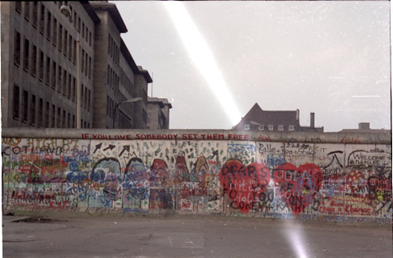
As Gould (2019) notes, there is a significant difference in the relationship between populism and the territorial organization of the state in the two countries. Following the consolidation of the German nation-state—both with the unification of 1871 and the reunification of 1990 after the division resulting from the Second World War—regional differences have generally been integrated within a broader conception of what it means to be “German.” In this context, AfD accepts the German federal system and does not interpret regional identities as a threat to national unity.
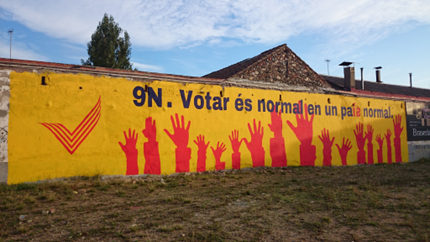
Vox, in contrast, interprets the Spanish model of territorial autonomy as a direct threat to national unity and advocates a recentralization of the state. In its programmatic documents, the party openly criticizes the so-called State of Autonomies, arguing that it has failed to achieve the objectives for which it was created and has generated high institutional costs while intensifying territorial tensions rather than resolving them (Vox España, 2014). From this perspective, political decentralization is seen as having exacerbated territorial conflicts, particularly in Catalonia and the Basque Country. As an alternative, Vox proposes transforming the current autonomous system into a more centralized state with a single government and a single parliament for the entire country, based on equality among citizens and the primacy of the state (Vox España, 2018). This territorial dimension is closely linked to the Spanish context, where the perceived “threat” is not only external (migration) but also internal, particularly in relation to secessionist movements.
Historical memory further accentuates the contrast between the two countries. González (2024) notes that Vox may adopt revisionist or confrontational positions regarding the Francoist past and memory laws, whereas in Germany any attempt to rehabilitate or relativize Nazism is strictly limited by legal frameworks that prohibit Holocaust denial and the public display of Nazi symbols. These legal restrictions, combined with strong political and media resistance, contribute to the relative isolation of AfD and limit the mainstream visibility of radical historical reinterpretations.
2.6 Economic Profiles and Social Coalitions
In the case of Vox, its economic program is commonly described as market-liberal in orientation, emphasizing tax cuts, deregulation, and a reduction of the role of the state in the economy—an approach that de Lange (2007) associates with earlier waves of the European radical right. In this regard, the historian González (2019) argues that Vox can be situated within the traditions of conservative liberalism and the identitarian right, as its discourse combines positions of social and cultural conservatism with a defence of economic liberalism. In Germany, AfD shares certain similarities with Vox by advocating lower taxes and deregulation, although it also supports selective state intervention in strategic sectors, combining elements of market liberalism with protectionist tendencies.
In the case of BSW, programmatic analyses point to a hybrid configuration that combines economically left-wing positions with culturally more conservative preferences. The party advocates a strong welfare state, redistribution and state intervention to protect low-income groups. Politics should be oriented “towards the common good.” The state would be responsible for implementing a fair wage policy, with a high level of social security.
The BSW emphasized the strategic importance of German industry and economic investment. This mix of economic interventionism and industrial productivism is accompanied by a critique of globalization and neoliberal reforms, which Wagenknecht argues have weakened social cohesion and the material security of large parts of the population (Moreau, 2024). Such a configuration helps explain the party’s appeal among voters who combine material insecurity with dissatisfaction toward the cultural liberalism of mainstream parties.
In the case of Podemos, its economic profile is clearly situated within the tradition of left-wing populism, characterised by a strong redistributive orientation and an active role of the state in the economy. Since its emergence following the 2008 financial crisis, the party has advocated the expansion of the welfare state, the reversal of austerity policies, and progressive tax reform aimed at reducing inequality. Its economic discourse is structured around the opposition between “the people” and “economic elites”, denouncing the influence of major financial and corporate powers over public institutions. In its most recent programme proposals, this orientation is reinforced through measures such as the strengthening of public services, the regulation of strategic sectors, the improvement of labour conditions, and the expansion of social rights.
Unlike Vox or AfD, Podemos does not combine this approach with liberalising positions, but rather maintains an ideologically coherent stance centred on social justice and public intervention. This places it partially closer to proposals such as those of BSW in the economic domain, although without incorporating elements of cultural conservatism.
2.7 Electoral Profiles and Social Bases of Populist Support
Electoral support for the populist parties analysed does not respond to homogeneous sociodemographic profiles, but is instead explained by a combination of structural, attitudinal, and, in some cases, emotional factors. Nevertheless, distinct patterns can be identified depending on each national context and the type of populism they represent.
In the case of Alternative für Deutschland, empirical evidence shows that its electorate cannot be consistently defined through classical sociodemographic variables. Based on individual-level data from the German Longitudinal Election Study (GLES) for the 2021 federal elections, factors such as age, gender, or education display limited explanatory power, despite certain tendencies such as a higher proportion of male voters or lower levels of formal education. Instead, support for AfD is primarily associated with political attitudes, particularly anti-immigration positions, distrust of elites, and dissatisfaction with the functioning of democracy (Hansen & Olsen, 2024).
This individual dimension is complemented by a significant territorial component. Analyses of the 2019 European election results show that support for AfD is concentrated in structurally disadvantaged regions, characterised by economic weakness, higher vulnerability to automation, demographic ageing, and population decline (Franz, Fratzscher & Kritikos, 2019). These findings suggest that support for the party is less a reflection of immediate individual economic conditions and more the result of broader contexts of territorial decline and perceptions of structural insecurity.
In contrast to AfD, support for Bündnis Sahra Wagenknecht (BSW) is characterised by greater heterogeneity. The literature suggests that the party primarily mobilises voters who combine left-wing economic preferences with socioculturally conservative positions, resulting in a hybrid ideological profile. This group is often linked to the so-called “losers of globalisation”, understood as individuals experiencing real or perceived declines in their living conditions and who feel neglected by mainstream parties. In many cases, they are former left-wing voters who reject the cosmopolitan and culturally liberal turn of traditional left parties. At the same time, the hybrid nature of the project allows BSW to attract support from both the left and the right, forming a cross-cutting electorate characterised by political discontent and anti-establishment attitudes (Moreau, 2024).
For its part, the case of Vox presents a more clearly defined sociodemographic profile. Several studies indicate that its electoral support is concentrated primarily among young men from middle- and upper-class backgrounds, with above-average income levels and intermediate levels of education (Rama et al., 2021). This pattern is linked to central elements of its discourse, such as its anti-feminist positioning and its appeal to traditional models of masculinity, which appear to resonate particularly strongly with this group.
Beyond these characteristics, the literature also highlights the importance of political and attitudinal factors in explaining support for Vox. These include the perception of an internal threat associated with territorial separatism, which is countered through nationalist responses, as well as the construction of an external threat linked to immigration within a nativist framework. Additionally, Vox voters tend to position themselves at the far right of the political spectrum, place greater importance on religion, and hold more conservative views on post-materialist issues such as LGBTQ+ rights. They also tend to express stronger scepticism towards European integration, although in economic terms their positions do not differ substantially from those of the broader Spanish right (Rama et al., 2021).
Recent research also underscores the role of emotional factors in the mobilisation of Vox’s electorate. In this regard, particular attention has been given to the so-called “grievance narrative”, through which voters articulate perceptions of loss of rights and unfair treatment in comparison to other social groups (Polo-Artal & Pichel-Vázquez, 2025). This sense of grievance, which operates across economic, cultural, and gender dimensions, contributes to the construction of a political identity based on victimhood, institutional distrust, and the defence of national identity. Along the same lines, recent studies highlight that sexist attitudes constitute a significant explanatory factor in support for the radical right, particularly in contexts of reaction or “backlash” against feminist advances, which can reinforce electoral mobilisation towards parties such as Vox (Anduiza & Rico, 2022).
Finally, the case of Podemos presents a distinct profile, particularly in its early phase. Academic research indicates that its electoral base did not correspond exclusively to the so-called “losers of globalisation”, but also included a significant proportion of relatively highly educated individuals with trajectories marked by frustrated socio-economic expectations following the 2008 crisis. Its electorate was socially heterogeneous, encompassing workers, the unemployed, middle-class sectors, and young people mobilised through the 15M movement, and was predominantly oriented towards the left or centre-left (Matlay, 2016). In this context, support for Podemos was explained less by traditional structural factors and more by a combination of protest attitudes, distrust towards political and economic elites, and dissatisfaction with the functioning of the political system (Cordero, Orriols & Teperoglou, 2018). This profile has likely evolved as a result of the party’s processes of institutionalisation.
Conclusions
The comparative analysis conducted in this article shows that the development of populism in Germany and Spain responds to different political and historical contexts, although it shares common discursive elements. In both cases, the parties analysed articulate their discourse around the opposition between “the people” and political elites perceived as detached from national interests, as well as around the defence of sovereignty and identity. However, this populist dimension is not expressed with the same intensity nor structured along the same axes in both countries.
In Germany, the rise of AfD is linked to a gradual reconfiguration of political conflict, in which issues such as immigration, cultural identity, and Euroscepticism have gained increasing centrality, particularly in eastern regions, although with a progressive expansion towards the west. In Spain, by contrast, populism has been more closely associated with the 2008 economic crisis and the subsequent crisis of political legitimacy, in a context where traditional cleavages such as left–right and centre–periphery continue to structure political competition and limit the capacity of populism to become the dominant axis of conflict.
Contemporary populist parties adopt diverse and, at times, contradictory ideological configurations. Vox combines strong cultural conservatism and populist rhetoric with a liberal economic orientation and a notable proximity to business elites, which distinguishes it from other more interventionist forms of European populism. In turn, the case of BSW highlights the emergence of hybrid configurations that combine economic redistribution, sociocultural conservatism, and a strong anti-establishment stance, thereby blurring traditional left–right distinctions.
In this sense, populism should be understood as a flexible political resource that can be strategically adapted by different actors depending on contextual opportunities and existing social demands. This strategic dimension is particularly evident in the evolution of parties such as Podemos, whose initial populist discourse tended to moderate as its process of institutionalisation advanced and as it became integrated into government.
Indeed, the analysis suggests that access to power or proximity to institutions tends to transform populist dynamics. In the case of BSW, its participation in regional governments has contributed to weakening its profile as a clearly anti-system actor, highlighting the tensions between populist discourse and the practice of governance.
These findings further suggest that the different trajectories of right- and left-wing populism may be linked to structural differences in their bases of mobilisation. While right-wing populism relies on highly mobilising identity issues—particularly immigration, framed as a cultural, economic, and security threat—and relatively stable over time, left-wing populism appears to face greater difficulties in sustaining its mobilisation capacity. These difficulties are partly related to the greater complexity of articulating and translating into effective policies demands such as redistribution, equality of rights, social justice, and integration, especially following processes of institutionalisation and participation in government, which tend to moderate its discourse and dilute its anti-system character.
Literature
Alonso, S., & Rovira Kaltwasser, C. 2015. Spain: No Country for the Populist Radical Right? South European Society and Politics, 20(1), 21–45. https://doi.org/10.1080/13608746.2014.985448
Arzheimer, K. 2015. The AfD: Finally a successful right-wing populist Eurosceptic party for Germany?, West European Politics, 38(3), 535–556.
Barrio, A. 2020. The weakness of populism in Spain. Debats. Revista De Cultura, Poder I Societat, 5, 197–209. https://doi.org/10.28939/iam.debats-en.2020-11
Blokland, Hans. 2025. Talking Politics and Society Again: Reengaging with Fellow Citizens. Bielefeld: Transcript.
BSW. 2024. Wahlprogramm zur Europawahl. https://bsw-vg.de/wp-content/uploads/2024/02/BSW_Europawahlprogramm_2024.pdf
BSW. 2024b. Unser Parteiprogramm. https://buendnis-sahra-wagenknecht.de/wp-content/themes/bsw/assets/files/BSW_Gruendungsmanifest.pdf
Casas-Mas, B., Rodríguez-Sáez, A., Gutiérrez, I., Benavides, G. J., & Robles, J. M. 2025. Voices of Discontent: Unpacking Populist Rhetoric in Spain and the Rise of Anti-European Sentiment. Media and Communication, 13.
Cheddadi El Haddad, Z., & León J.M. Ranero. 2022. Selectividad étnica en el discurso migratorio de Vox: entre el pragmatismo y el esencialismo. Papers. Revista De Sociologia, 107(1), 61–87. https://doi.org/10.5565/rev/papers.2930
Cordero, G., Orriols, L., & E. Teperoglou. 2018. Syriza, M5S and Podemos: The Three Champions of the Angry Southern European Voter. Revista Jurídica: Universidad Autónoma de Madrid: 37, I, 2018, 105-131
Errejón, Í., & C. Mouffe. 2016. Podemos: In the name of the people. Lawrence & Wishart.
Decker, Frank & Florian Hartleb. 2007. Populism on Difficult Terrain: The Right- and Left-Wing Challenger Parties in the Federal Republic of Germany, German Politics, 16:4, https://doi.org/10.1080/09644000701652466
Franz, C., M. Fratzscher & A. Kritikos. 2019. At opposite Poles: How the success of the green party and AfD reflects the geographical and social cleavages in Germany. DIW Weekly Report, 9(34), 289-300. https://doi.org/10.18723/diw_dwr:2019-34-1
González, Pedro. 2019. VOX. Entre el liberalismo conservador y la derecha identitaria.
Gould, R. 2019. Vox España and Alternative für Deutschland: Propagating the crisis of national identity. Genealogy, 3(4), 64. https://doi.org/10.3390/genealogy3040064
Матлай, Л. 2016. Формування нової лівої ідентичності в Іспанії (2011–2016 рр.). Humanitarian Vision.
Hansen, M. A., & J. Olsen. 2024. The Alternative for Germany (AfD) as populist issue entrepreneur: Explaining the party and its voters in the 2021 German federal election. German Politics, 33(4), 643-667.
Instituto Nacional de Estadística (INE). 2025. Censo anual de población 2021–2025. Población por sexo, edad y país de nacimiento (España/extranjero). https://www.ine.es/jaxiT3/Tabla.htm?t=68520
Kölling M. 2025. Populismo y la política exterior en Alemania. Política y Sociedad, 62(2), https://doi.org/10.5209/poso.99041
Mudde, C., & Rovira C. Kaltwasser. 2018. Studying Populism in Comparative Perspective: Reflections on the Contemporary and Future Research Agenda. Comparative Political Studies, 51(13), 1667-1693.
Mudde, Cas. 2004. The Populist Zeitgeist. Government and Opposition 39 (4), 541–563
Polo-Artal, A., & A. Pichel-Vázquez. 2025. “Es que yo también tengo mis derechos”: La narrativa del agravio en el electorado de la ultraderecha española (Vox). Encrucijadas. Revista Crítica De Ciencias Sociales, 25(2), https://recyt.fecyt.es/index.php/encrucijadas/article/view/111199
Quiles Bailén, M. 2024. Los mensajes populistas en España ante la guerra de Ucrania. Los discursos de Vox y Unidas Podemos. Más Poder Local, (56), 84–104. https://doi.org/10.56151/maspoderlocal.151
Rama, J., L. Zanotti, S.J. Turnbull-Dugarte & A. Santana. 2021. VOX : the rise of the Spanish populist radical right. Routledge.
Real, A. 2022, April 21. Las similitudes y diferencias en la extrema derecha europea. Newtral. https://www.newtral.es/extrema-derecha-europea-partidos-similitudes-diferencias/20220421
Rodríguez Sáez, A. 2021. La génesis del populismo en España entre 2011 y 2013: Un análisis desde la demanda. Revista Española de Investigaciones Sociológicas, 173, 121–140. https://doi.org/10.5477/cis/reis.173.121
Olbrich, E., & S. Banisch. 2021. The rise of populism and the reconfiguration of the German political space. Frontiers in Big Data, 4, 731349. https://doi.org/10.3389/fdata.2021.731349
Stark, H. & E. Dubslaff. 2024: Die Außenpolitik der AfD zwischen Loslösung vom Westen und Partnerschaft mit dem Osten, https://www.ifri.org/de/externe-artikel/die-aussenpolitik-der-afd-zwischen-losloesung-vom-westen-und-partnerschaft-mit-dem
Thomeczek, J. P. 2024. Bündnis Sahra Wagenknecht: Left-wing authoritarian—and populist? An empirical análisis, Politische Vierteljahresschrift, 65, 535–552. https://doi.org/10.1007/s11615-024-00544-z
Turnbull-Dugarte, S. J.. 2019. Explaining the end of Spanish exceptionalism and electoral support for Vox. Research & Politics, 1-8. https://doi.org/10.1177%2F2053168019851680
Vox España. 2014. Manifiesto fundacional. https://www.voxespana.es/espana/manifiesto.
Vox España. 2018. 100 medidas para la España Viva. https://www.voxespana.es/biblioteca/.
Wagner, S. 2025, May 23. Selling margarine as butter: The failure of Sahra Wagenknecht’s BSW and the pitfalls of “left conservatism”. Renewal.
Wojczewski, T. 2025. Theorizing far-right foreign policy: Insights from Germany. Political Studies, 73(3), 1169-1193. https://doi.org/10.1177/00323217241284195
Wurthmann, L. C. & S. Wagner 2024: “On the association of attitudes towards NATO and weapon deliveries for Ukraine with vote intentions in Germany”, German Politics, 34(1), pp. 1–24. https://doi.org/10.1080/09644008.2024.2372562
Ferreira, C. 2019. «Vox como representante de la derecha radical en España: un estudio sobre su ideología». Revista Española de Ciencia Política, 51, 73-98. https://doi.org/10.21308/recp.51.03
[1] Foreign nationality refers to the legal status of individuals who do not hold the citizenship of the country in which they reside, regardless of their place of birth.